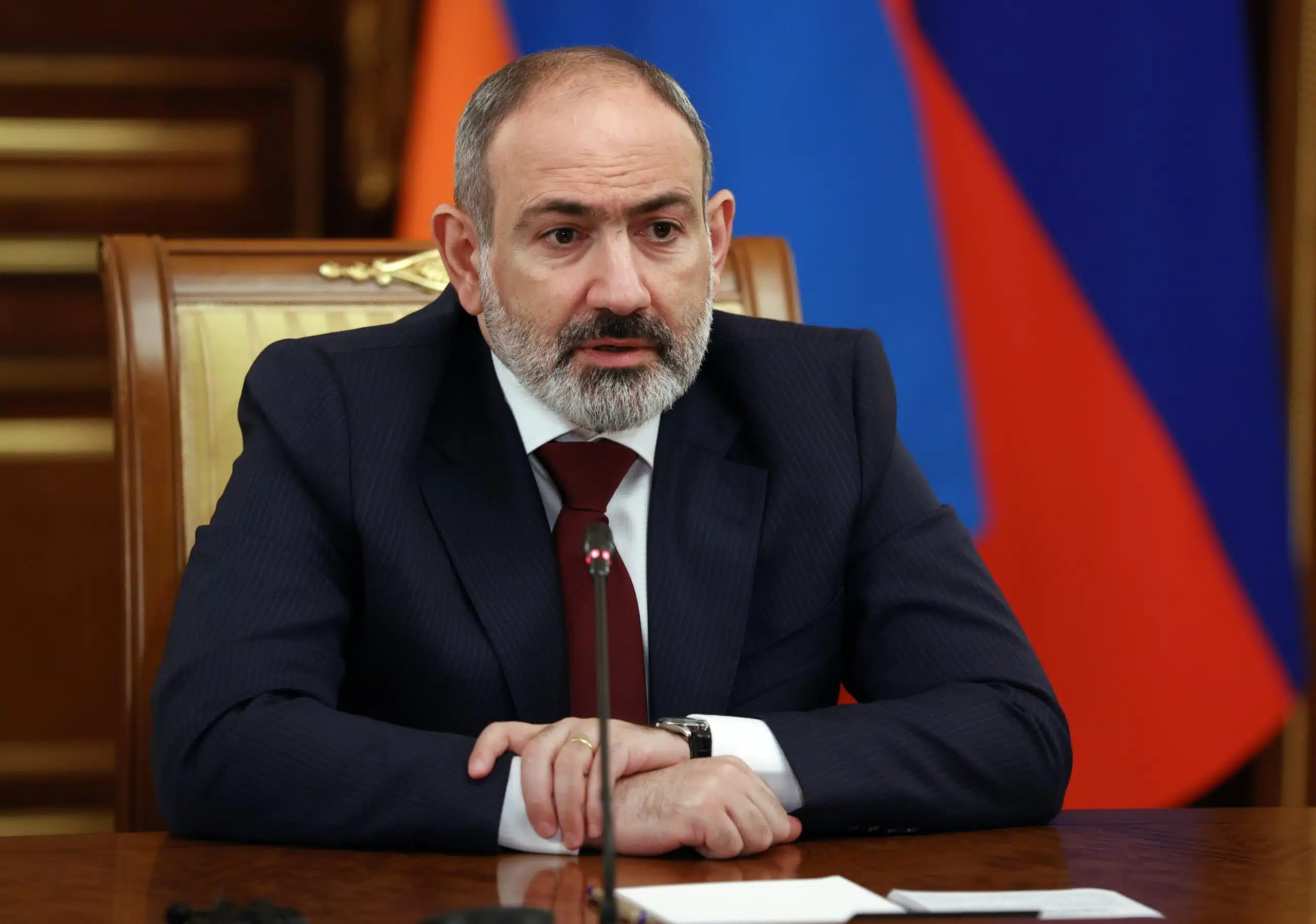
Armenia held elections on last Sunday, the 7th of June. The election was perceived as crucial, in being key in deciding whether the country to continues to move closer to the EU and away from the influence of Russia. The results are clear: Prime Minister Nikol Pasynyan’s Civil Contract Party won the vote, with 49.8% of the votes.
Pashinyan’s main rivals followed on a distance, with Strong Armenia – led by Russian-Armenian businessman Samvel Karapetyan – winning 23.3%. Armenia Alliance, led by former president Robert Kocharyan, won 9.9% of the vote. Electoral alliances need 8% of the vote to enter parliament, while political parties need 4%. Because of that threshold, the Prosperous Armenia party – who won 3.996% of the vote – fell short of entering parliament by just 0.004%.
Election background & campaign
In Europe, these elections were largely viewed as a test of Nikol Pashinyan’s push to deepen ties with the West while facing economic pressure from Russia – still Armenia’s largest trading partner. Under Pashinyan’s governance, ties were also strengthened with the American Trump administration, allowing the Americans to hold development rights for a trade corridor (TRIPP) connecting Azerbaijan to its Nakhchivan exclave through southern Armenia.
The corridor reduces reliance on Russian transit and provides an incentive for structural peace between Armenia and Azerbaijan, but has also triggered heavy pressures from both Moscow and Teheran, who are concerned about American presence in their traditional spheres of influence.
This has led to a large Russian intelligence operation targeting these elections, including punitive trade measures by Russia and day-by-day-threats. The campaign was marked by further allegations of vote-buying for Strong Armenia or the Armenia Alliance; because of this, arrests and criminal prosecutions against opposition figures took place. The campaign was, according to the OSCE, highly confrontational and divisive because of this, leading to many voters refraining from actively engaging in the campaign. The EU has also deployed a ‘Rapid Response Team’ to protect Armenia from hybrid threats.
Nevertheless, according to experts and observers, Armenia’s voters were offered a ‘genuine choice’ in a ‘well-run process’.
Turnout and results
The turnout was 58.9%, meaning far more Armenians – about ten percentage points more – went out to vote than in 2021. A possible explanation for this is a backlash against Russia’s actions to interfere; according to one expert, many Armenians voted out of principle and defiance, disliking the fact that Russian Armenians with double citizenship travelled from Russia to vote.
The election result allows Civil Contract to form a government on its own, but it has not acquired its goal of a constitutional majority. Pashinyan has been looking to introduce a new constitution, in order to sign a peace agreement with Azerbaijan; his party’s seats does now not provide enough votes to put a new constitution into a referendum.